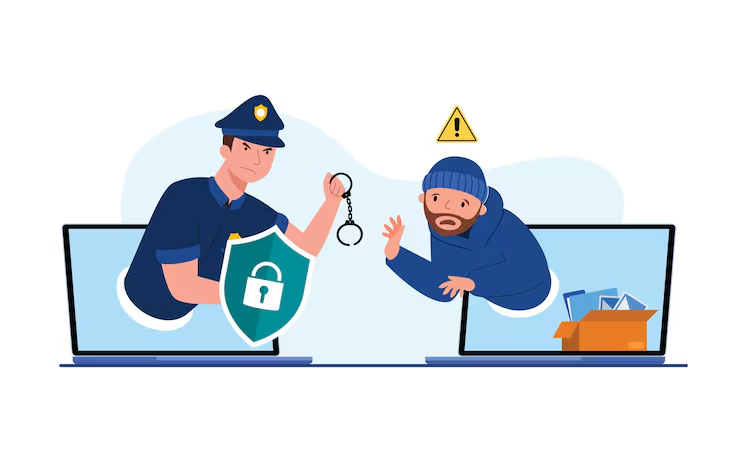
Digital arrest scams have become one of the fastest-growing cyber frauds in India. In this scam, fraudsters pretend to be police officers, government officials, or law enforcement agencies and threaten victims with arrest over fake legal issues.
The scammers use fear, urgency, and intimidation to convince people to transfer money or share sensitive information.
Understanding how digital arrest scams work can help you avoid becoming a victim.
What Is a Digital Arrest Scam?
A digital arrest scam is a type of cyber fraud where criminals falsely claim that:
- A case has been filed against you
- Your Aadhaar has been misused
- A parcel contains illegal items
- Your bank account is under investigation
The goal is to scare victims into following instructions.
How Do Scammers Contact Victims?
Fraudsters often use:
- Phone calls
- WhatsApp calls
- Video calls
- SMS messages
Some scammers even display fake police uniforms or official logos during video calls.
Common Digital Arrest Scam Tactics
Scammers frequently claim:
- You are involved in money laundering.
- Your Aadhaar was linked to illegal activity.
- A criminal case has been registered against you.
- Immediate payment is required to avoid arrest.
These claims are usually false.
Warning Signs of a Digital Arrest Scam
Watch for:
❌ Threats of immediate arrest
❌ Demands for secrecy
❌ Requests for bank details
❌ Pressure to transfer money
❌ Video calls from fake officials
Legitimate authorities do not handle investigations in this manner.
Why Do These Scams Work?
Fraudsters rely on:
- Fear
- Panic
- Confusion
- Lack of awareness
Victims often act quickly because they fear legal consequences.
Never Share Sensitive Information
Avoid sharing:
- Bank account details
- OTP codes
- Debit card information
- Aadhaar numbers
- Passwords
Government agencies do not request such information through random calls.
Verify Every Claim
If someone claims to represent an authority:
✔ Hang up the call
✔ Contact the official department directly
✔ Verify the information independently
Never trust contact details provided by the caller.
What Should You Do If You Receive Such a Call?
Stay calm and:
- Do not transfer money.
- Do not share personal information.
- End the conversation.
- Save evidence if possible.
- Report suspicious activity.
Quick action can help prevent financial loss.
How to Stay Safe
Helpful precautions include:
✔ Verify caller identities
✔ Avoid sharing OTPs
✔ Be cautious of urgent threats
✔ Discuss suspicious calls with family members
✔ Stay informed about cyber scams
Protecting Yourself from Digital Arrest Frauds
Digital arrest scams exploit fear and confusion to trick people into giving away money or personal information. Understanding the warning signs and verifying claims independently can help you avoid becoming a victim.
Awareness remains one of the strongest defenses against modern cybercrime.