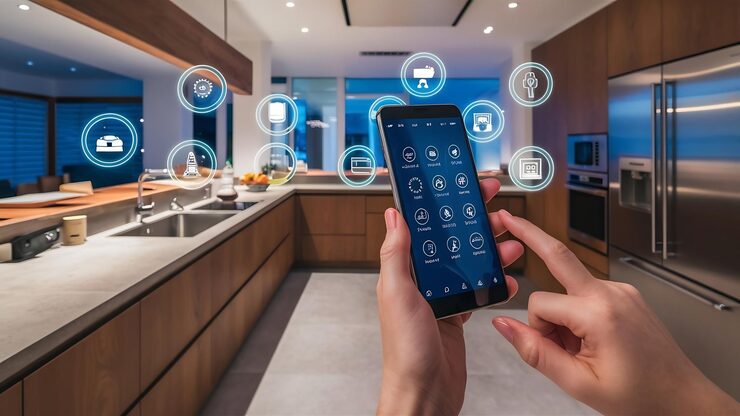
A few years ago, smart homes felt like something from the future. Today, they are becoming increasingly common in ordinary households.
Many people already use smart devices without thinking about it.
Examples include:
- Smart TVs
- Voice assistants
- Smart lights
- Security cameras
- Smart plugs
These technologies make everyday tasks more convenient and efficient.
As prices continue falling and internet connectivity improves, smart home adoption is expected to grow even further.
What Is a Smart Home?
A smart home uses internet-connected devices that can communicate with each other and be controlled remotely.
Users may control devices through:
- Smartphones
- Tablets
- Voice assistants
This allows greater convenience and automation.
Popular Smart Home Devices
The smart home market includes a wide range of products.
Some of the most popular categories include:
Smart Lighting
Lights can be controlled remotely and scheduled automatically.
Smart Security Cameras
Homeowners can monitor properties from virtually anywhere.
Smart Doorbells
These devices allow users to see visitors through their smartphones.
Smart Plugs
Ordinary appliances can become remotely controllable.
Convenience Is Driving Growth
One reason smart homes are growing rapidly is convenience.
People appreciate being able to:
- Turn off lights remotely
- Monitor security systems
- Control appliances
- Receive notifications
These features simplify everyday life.
Energy Efficiency Benefits
Many smart home devices help reduce energy consumption.
Examples include:
- Automated lighting schedules
- Smart thermostats
- Energy monitoring systems
This can lead to lower electricity usage over time.
Improved Home Security
Security remains one of the strongest reasons people invest in smart technology.
Modern systems provide:
- Real-time alerts
- Remote monitoring
- Motion detection
- Video recordings
These features help homeowners stay informed about activity around their property.
Challenges of Smart Homes
Despite their benefits, smart homes are not without challenges.
Users may encounter:
- Setup complexity
- Privacy concerns
- Internet dependency
- Compatibility issues
Choosing reliable products can help reduce these problems.
The Future Looks Connected
Technology companies continue investing heavily in smart home innovation.
Future developments may include:
- Greater automation
- Better device integration
- Improved energy management
- More personalized experiences
As technology becomes more accessible, smart homes are likely to become a standard feature in many households.
How Smart Technology Is Changing Daily Living
Smart homes are no longer limited to technology enthusiasts.
They are becoming practical solutions for everyday users who value convenience, security, and efficiency.
As devices become smarter and more affordable, connected homes will likely play an increasingly important role in modern life.