Losing your ATM or debit card can be stressful, especially if you worry someone might use it for unauthorized transactions. If you’re searching for how to block a lost ATM card immediately, the good news is that most banks let you block your card within minutes using their mobile app, internet banking, customer care, or by visiting a branch.
In this guide, you’ll learn how to block a lost ATM card immediately, what to do after blocking it, and how to keep your bank account secure.
Important: If you suspect your card has been stolen or used fraudulently, contact your bank as soon as possible. Acting quickly can help reduce the risk of unauthorized transactions.
Table of Contents
- What Should You Do If Your ATM Card Is Lost?
- How to Block a Lost ATM Card Immediately
- Block Your Card Using Your Bank’s Mobile App
- Block Your Card Through Internet Banking
- Contact Customer Care
- Visit Your Bank Branch
- Report Unauthorized Transactions
- Request a Replacement Card
- Tips to Keep Your Bank Account Safe
- Frequently Asked Questions
- Final Thoughts
What Should You Do If Your ATM Card Is Lost?
Before learning how to block a lost ATM card immediately, don’t panic. Take a few moments to confirm whether the card is truly lost or simply misplaced.
If you cannot find it:
- Stop using the card.
- Block it immediately.
- Check your recent transactions.
- Monitor your bank account for unusual activity.
The faster you respond, the lower the risk of unauthorized use.
1. Block Your Lost ATM Card Using the Bank’s Mobile App
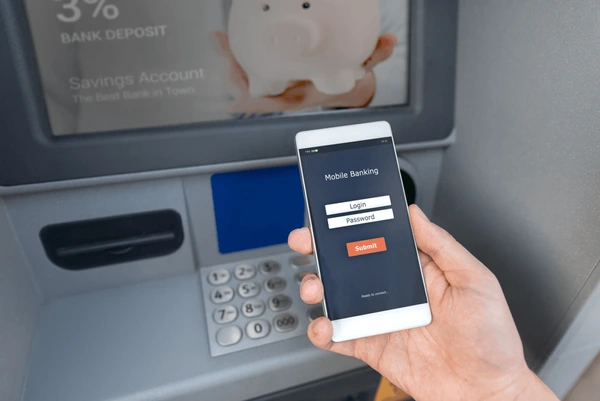
Most banks allow you to temporarily or permanently block your ATM/debit card through their official mobile banking app.
General Steps:
- Open your bank’s official mobile app.
- Log in securely.
- Go to Cards or Debit Card Management.
- Select your ATM/debit card.
- Choose Block Card, Hotlist Card, or Freeze Card (the wording varies by bank).
- Confirm your request.
Some banks also allow you to temporarily freeze a card and reactivate it later if you find it.
2. Block Your Card Through Internet Banking
If you have access to internet banking:
- Log in through your bank’s official website.
- Navigate to the debit or ATM card section.
- Select the lost card.
- Choose the option to block or disable the card.
- Confirm the request.
Always access your bank through its official website and avoid clicking links from unsolicited emails or messages.
3. Call Your Bank’s Customer Care
If you don’t have internet access, contact your bank’s official customer support immediately.
The representative may ask you to verify your identity before blocking the card.
Keep the following information ready:
- Account number (if available)
- Registered mobile number
- Identity verification details
Only use the official customer care number published by your bank.
4. Visit the Nearest Bank Branch
If you cannot block the card online or over the phone:
- Visit your home branch or another branch of your bank.
- Carry valid identity proof.
- Request immediate card blocking.
- Ask for a replacement card if needed.
5. Check Your Recent Transactions
After blocking your card:
Review your account for:
- ATM withdrawals
- Card purchases
- Online transactions
- UPI transactions linked to your account (if applicable)
If you notice any unauthorized transactions, report them to your bank immediately.
6. Report Unauthorized Transactions
If someone used your lost ATM card without permission:
- Inform your bank immediately.
- Follow your bank’s fraud reporting process.
- Preserve transaction details and alerts.
- Cooperate with any verification or investigation requested by the bank.
Prompt reporting can improve the chances of resolving unauthorized activity.
7. Request a Replacement ATM Card
After blocking your old card, you can usually request a new one.
The replacement process may vary depending on your bank.
Once you receive the new card:
- Activate it according to your bank’s instructions.
- Set a new PIN if required.
- Destroy the old card if you later find it and your bank instructs you not to use it.
8. Update Saved Payment Information
If your lost card was saved on:
- Shopping websites
- Subscription services
- Food delivery apps
- Ride-hailing apps
- Digital wallets
Update your payment details after receiving your replacement card to avoid payment failures.
Tips to Keep Your ATM Card Safe
Follow these banking security tips:
✔ Store your card in a secure place.
✔ Never share your ATM PIN.
✔ Enable transaction alerts.
✔ Lock your phone with a password or biometrics.
✔ Check your account regularly.
✔ Avoid sharing card details over phone calls or messages.
✔ Use secure ATMs whenever possible.
✔ Report lost cards immediately.
Also Read :
- Google Wallet Adds 22 New Banks Check If Your Bank Is on the List
- Netbanking Tips! Get Back Money transfer to wrong bank account
- How To Transfer Cash From Paytm Wallet To Your Bank Account
- How to Identify Fake Job Scams: 10 Warning Signs to Stay Safe
Frequently Asked Questions (FAQs)
Can I block my ATM card without visiting the bank?
Yes. Many banks allow customers to block ATM or debit cards using their official mobile app, internet banking, or customer care services.
Can I unblock my ATM card later?
Some banks offer a temporary freeze feature that can be reversed if the card is found. Others permanently block the card and require a replacement. Check your bank’s policy.
What happens after I block my ATM card?
Once blocked, the card generally cannot be used for ATM withdrawals, purchases, or other card-based transactions. You can then request a replacement card if needed.
Will blocking my ATM card close my bank account?
No. Blocking your ATM or debit card does not close your bank account. Your account remains active unless you request otherwise.
Final Thoughts
Knowing how to block a lost ATM card immediately can help protect your money and reduce the risk of unauthorized transactions. Whether you use your bank’s mobile app, internet banking, customer care, or visit a branch, acting quickly is the most important step.
After blocking the card, monitor your account, report suspicious activity promptly, and request a replacement card if necessary. Combining these steps with good banking habits will help keep your finances secure.