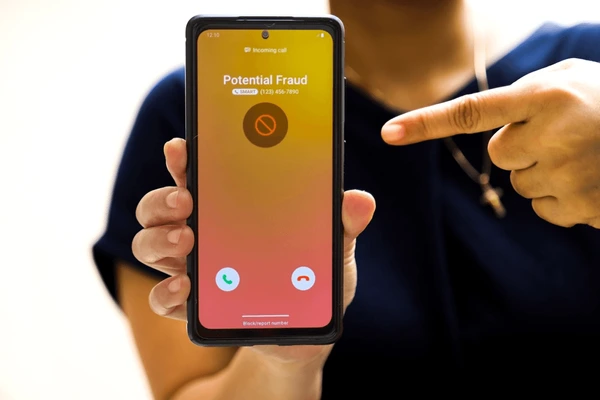
Artificial Intelligence (AI) has transformed the way we communicate, but it has also created new opportunities for cybercriminals. One of the fastest-growing threats today is AI voice scam calls, where scammers use voice cloning technology to imitate someone you know. Whether it’s a family member asking for urgent money, a bank representative requesting an OTP, or your boss demanding an immediate payment, these scams are becoming increasingly convincing.
If you’re searching for how to spot AI voice scam calls, this guide will help you understand how these scams work, recognize the warning signs, and protect yourself from becoming a victim.
Important: Just because a voice sounds familiar doesn’t mean the caller is genuine. Always verify suspicious requests through another trusted communication method before taking any action.
Table of Contents
- What Are AI Voice Scam Calls?
- How AI Voice Cloning Works
- 10 Ways to Spot AI Voice Scam Calls
- What to Do If You Receive a Suspicious Call
- Tips to Protect Yourself from AI Voice Scams
- AI Voice Scam Warning Signs
- Frequently Asked Questions
- Final Thoughts
What Are AI Voice Scam Calls?
AI voice scam calls are fraudulent phone calls that use artificial intelligence to imitate a real person’s voice. Using only a short audio sample collected from social media videos, voice messages, interviews, or online recordings, scammers can generate speech that sounds remarkably similar to the original person.
These scams are designed to trick victims into making quick decisions without verifying the caller’s identity.
Common objectives include:
- Requesting emergency money transfers
- Asking for banking credentials
- Collecting OTPs and verification codes
- Stealing personal information
- Convincing victims to install harmful apps
- Gaining access to online accounts
Learning how to spot AI voice scam calls is becoming an essential digital safety skill in today’s AI-driven world.
How AI Voice Cloning Works
AI voice cloning uses machine learning models that analyze a person’s speech patterns, pronunciation, pitch, tone, and speaking style. Once enough audio is available, the AI can generate new speech that closely resembles the original voice.
Scammers often obtain voice samples from:
- Public social media videos
- YouTube uploads
- Podcast interviews
- Voice notes
- Online meetings
- Public speeches
As AI technology continues to improve, cloned voices are becoming more realistic. That’s why it’s important to verify requests instead of relying only on how a voice sounds.
10 Ways to Spot AI Voice Scam Calls
1. The Caller Creates a False Sense of Urgency
One of the biggest warning signs is pressure.
Scammers often say things like:
- “I need money immediately.”
- “I’m in serious trouble.”
- “Don’t tell anyone.”
- “Act right now.”
The goal is to make you panic before you have time to think or verify the situation.
2. They Ask for Money Immediately
If someone unexpectedly asks you to send money, stop and verify first.
Requests may include:
- Bank transfers
- UPI payments
- Gift cards
- Cryptocurrency
- Digital wallet transfers
Even if the voice sounds familiar, never send money without confirming the person’s identity.
3. The Voice Sounds Slightly Unnatural
Modern AI voices are impressive, but subtle clues may still exist.
Listen carefully for:
- Robotic pauses
- Flat emotions
- Strange pronunciation
- Inconsistent speaking speed
- Audio glitches
While these signs don’t always indicate AI, they should encourage extra caution.
4. They Avoid Personal Questions
Ask questions that only the real person would know.
Examples include:
- A childhood nickname
- A recent family event
- A shared memory
- A personal joke
If the caller changes the subject or cannot answer, consider ending the call.
5. Their Story Doesn’t Make Sense
Pay attention to inconsistencies.
For example:
- They claim to be in another country when you know they aren’t.
- Their explanation changes during the conversation.
- Important details don’t add up.
Always verify unusual stories independently.
6. They Ask for OTPs or Passwords
This is a major red flag.
Legitimate organizations generally do not ask for:
- OTPs
- Banking PINs
- Internet banking passwords
- Credit or debit card PINs
- Authentication codes
Never share confidential security information over the phone.
7. The Caller ID Looks Genuine
Caller ID spoofing allows scammers to make their number appear familiar.
Even if the number matches someone you know, don’t assume the call is authentic.
Instead:
- Hang up.
- Call the person back using their saved number.
- Verify the request.
8. Verify Through Another Communication Method
Whenever you receive an unexpected request:
- End the call politely.
- Send a text message.
- Make a separate phone call.
- Contact the person through WhatsApp or another trusted platform.
Independent verification is one of the most effective ways to stop AI voice scams.
9. Listen to the Background Audio
Background sounds can reveal inconsistencies.
Watch for:
- Repeating noises
- Sudden silence
- Artificial echoes
- Delayed responses
- Audio cutting in and out
Although not conclusive, these clues may indicate synthetic or manipulated audio.
10. Trust Your Instincts
If something doesn’t feel right:
- Pause.
- Think carefully.
- Verify the information.
- Never rush into making payments.
Scammers depend on emotional reactions rather than logical thinking.
What to Do If You Receive a Suspicious Call
If you suspect an AI voice scam:
- Stay calm.
- Do not share personal or banking information.
- Never reveal OTPs or passwords.
- End the conversation politely.
- Verify the person’s identity using another communication method.
- Check with family members if the caller claims to be a relative.
- Report suspicious financial fraud to your bank immediately.
- Report cyber fraud to the appropriate authorities in your country.
Quick action can prevent financial loss.
Tips to Protect Yourself from AI Voice Scams
Follow these safety practices:
- Enable Two-Factor Authentication on important accounts.
- Keep your banking apps updated.
- Avoid sharing excessive voice recordings publicly.
- Create a family verification phrase for emergencies.
- Be cautious of urgent payment requests.
- Verify unexpected calls independently.
- Never share OTPs with anyone.
- Monitor bank transactions regularly.
- Keep your phone software updated.
- Educate elderly family members about AI scams.
AI Voice Scam Warning Signs
| Warning Sign | What You Should Do |
|---|---|
| Urgent request for money | Verify independently before sending money |
| Caller asks for OTP | Never share it |
| Familiar voice but unusual behavior | Confirm through another communication channel |
| Caller pressures you to act quickly | Slow down and verify |
| Story keeps changing | Ask detailed questions |
| Audio sounds robotic | Be cautious and verify |
| Unknown payment request | Contact the real person directly |
Frequently Asked Questions (FAQs)
Can AI really clone someone’s voice?
Yes. Modern AI tools can generate realistic voices using relatively short audio samples. However, the quality depends on the amount and clarity of the available recordings.
Can scammers clone my voice from social media?
If you publicly share videos or voice recordings online, they could potentially be used to train voice-cloning systems. Limiting publicly available recordings may reduce this risk, but it cannot eliminate it entirely.
How do I verify an AI voice scam?
The safest method is to end the call and contact the person using a trusted phone number, messaging app, or another verified communication channel.
Can banks ask for OTPs over a phone call?
Legitimate banks generally do not ask customers to disclose OTPs, PINs, passwords, or CVV numbers over the phone. If someone requests this information, treat it as suspicious and contact your bank through its official channels.
Should I report AI voice scam calls?
Yes. If you receive a suspected scam call, report it to your telecom provider, your bank (if financial information was involved), and your country’s cybercrime reporting authority.
Also Read :
- How to Create AI Videos for Free: 10 Easy Steps
- How to Detect AI-Generated Images: 10 Smart Ways to Spot Fake Photos
- How to Identify Fake Job Scams: 10 Warning Signs to Stay Safe
Final Thoughts
Knowing how to spot AI voice scam calls is one of the most valuable cybersecurity skills in 2026. As AI voice cloning becomes more advanced, scammers are finding new ways to impersonate trusted people and manipulate victims into making costly mistakes.
The best defense is to stay calm, verify unexpected requests independently, never share sensitive information over the phone, and educate your family about these evolving threats. A few extra minutes spent confirming a caller’s identity can help protect your money, your personal information, and your peace of mind.
External Resources (DoFollow)
- Google Safety Center
- National Cyber Crime Reporting Portal (India)
- Reserve Bank of India – Consumer Awareness