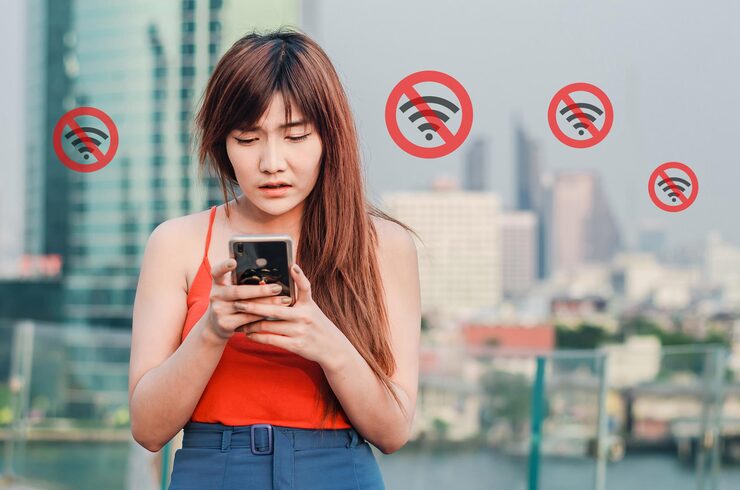
Free Wi-Fi feels convenient. You walk into a café, railway station, airport, shopping mall, or hotel, connect your phone in seconds, and continue scrolling social media, checking emails, watching videos, or even opening banking apps.
Most people don’t think twice before connecting.
After all, if Wi-Fi is available publicly, it should be safe… right?
Not always.
Public networks make internet access easier, but they can also create risks that many users ignore. This doesn’t mean every public Wi-Fi connection is dangerous or that you should stop using them completely. It simply means understanding how these networks work and being a little more careful with sensitive information.
A few small habits can make a difference.
Why Public Wi-Fi Is Different From Your Home Network
At home, your internet connection is usually protected by your own password and router settings.
Public Wi-Fi works differently.
Many people connect to the same network at the same time. Because of this shared environment, security may not always be as strong.
Think about it like this:
A private room generally gives more control than a crowded public place.
Networks can work similarly.
This is one reason experts often recommend extra caution while using public internet connections.
The Biggest Risk: Sharing Sensitive Information on Open Networks
Many users connect to free Wi-Fi and continue doing everything normally:
Checking bank balances
Entering passwords
Shopping online
Accessing work accounts
Making payments
The problem is not the internet itself.
The problem is assuming every connection provides equal protection.
If you’re using public Wi-Fi, it’s usually better to avoid entering highly sensitive information unless necessary.
That extra caution may feel inconvenient for a moment but can prevent larger issues later.
Fake Wi-Fi Networks Also Exist
This surprises many people.
Sometimes attackers create networks with names that look legitimate.
Examples:
Airport_Free_WiFi
Cafe_Guest
Hotel_Internet
Users may connect quickly without verifying.
This doesn’t happen everywhere, but it’s one reason checking network names carefully matters.
When possible, ask staff for the correct network before connecting.
Public Wi-Fi Is Not Automatically Dangerous
This point matters.
Articles about cybersecurity sometimes create fear.
The goal should not be panic.
The goal should be awareness.
Millions of people use public networks regularly without problems.
Being cautious simply reduces unnecessary risks.
Simple Habits That Can Make Public Browsing Safer
You do not need advanced technical knowledge.
Basic habits often help:
Avoid opening banking apps on unknown networks
Turn off automatic Wi-Fi connection settings
Verify network names before joining
Log out of important accounts after use
Update phone software regularly
Small habits repeated over time matter more than complicated tricks.
Why Awareness Matters More Than Fear
Technology changes quickly.
New apps appear.
New platforms appear.
Internet use becomes more common.
The ability to stay aware becomes valuable.
Being careful online does not mean distrusting everything.
It means understanding convenience and security are not always the same thing.
Final Thoughts
Free Wi-Fi is useful.
It helps people work, communicate, and access information almost anywhere.
But convenience sometimes makes users lower their guard.
You do not need to avoid public networks completely.
You simply need to use them more thoughtfully.
Often, online safety begins with small decisions people make every day without realizing their importance.